Lady Kitty likes the ‘Potato Story’ and will sometimes to my surprise and delight request it when we are in bed cuddling during the “girls’ spa nights” we’ve been having of late whilst Lake zonks out fast asleep from his busy days. Lady Kitty’s ‘Potato Story’ is an excerpt from Peace is Every Step: the path of mindfulness in everyday life, by Thich Nhat Hanh, and goes like this:
Cooking Our Potatoes
Thanks to the illuminating light of awareness, after pracing mindful observation for a while, we begin to see the primary causes of our anger. Meditation helps us look deeply into things in order to see their nature. If we look into our anger, we can see its roots, such as misunderstanding, clumsiness, injustice, re-sentment, or conditioning. These roots can be present in ourselves and in the person who played the principal role in precipitating our anger. We observe mindfully in order to be able to see and to understand. Seeing and understanding are the elements of liberation that bring about love and compassion. The method of mindful observation in order to see and understand the roots of the anger is a method that has lasting effectiveness.
We cannot eat raw potatoes, but we don’t throw them away just because they are raw. We know we can cook them. So, we put them into a pot of water, put a lid on, and put the pot on the fire. The fire is mindfulness, the practice of breathing consciously and focusing on our anger. The lid symbolizes our con-centration, because it prevents the heat from going out of the pot. When we are practicing breathing in and out, looking into our anger, we need some concentration in order for our practice to be strong. Therefore, we turn away from all distractions and focus on the problem. If we go out into nature, among the trees and flowers, the practice is easier.
As soon as we put the pot on the fire, a change occurs. The water begins to warm up. Ten minutes later, it boils, but we have to keep the fire going a while longer in order to cook our potatoes. As we practice being aware of our breathing and our anger, a transformation is already occurring. After half an hour, we lift the lid and smell something different. We know that we can eat our potatoes now. Anger has been transformed into another kind of energy-understanding and compassion.
She only likes me to read the bits about the potatoes, when Thich Nhat Hanh waxes on to the analogy, she protests. Thus, under duress I read aloud the following edit…
We cannot eat raw potatoes, but we don’t throw them away just because they are raw. We know we can cook them. So, we put them into a pot of water, put a lid on, and put the pot on the fire... As soon as we put the pot on the fire, a change occurs. The water begins to warm up. Ten minutes later, it boils, but we have to keep the fire going a while longer in order to cook our potatoes. … a transformation is already occurring. After half an hour, we lift the lid and smell something different. We know that we can eat our potatoes now.
When I began, “‘We cannot eat raw potatoes,’” she interrupts me straightaway.
“That’s not true,” she protests. “You can eat red potatoes raw.”
“Oh?” I say.
“You can eat red potatoes,” she insists.
“Red potatoes?” I inquire, squinting quizzically in the soft candlelight.
“Yes, I did with Maicy and Hazel in the garden.”
“Oh, red tomatoes,” I nod.
“Yes, red topatoes,” she says emphatically.
Much charming confusion ensued to distinguish red tomatoes from red potatoes. and to sadly dispense with the delightful use of ‘topatoes’ as a cross of words between tomatoes and potatoes that does not actually exist as something to eat, cooked or raw.
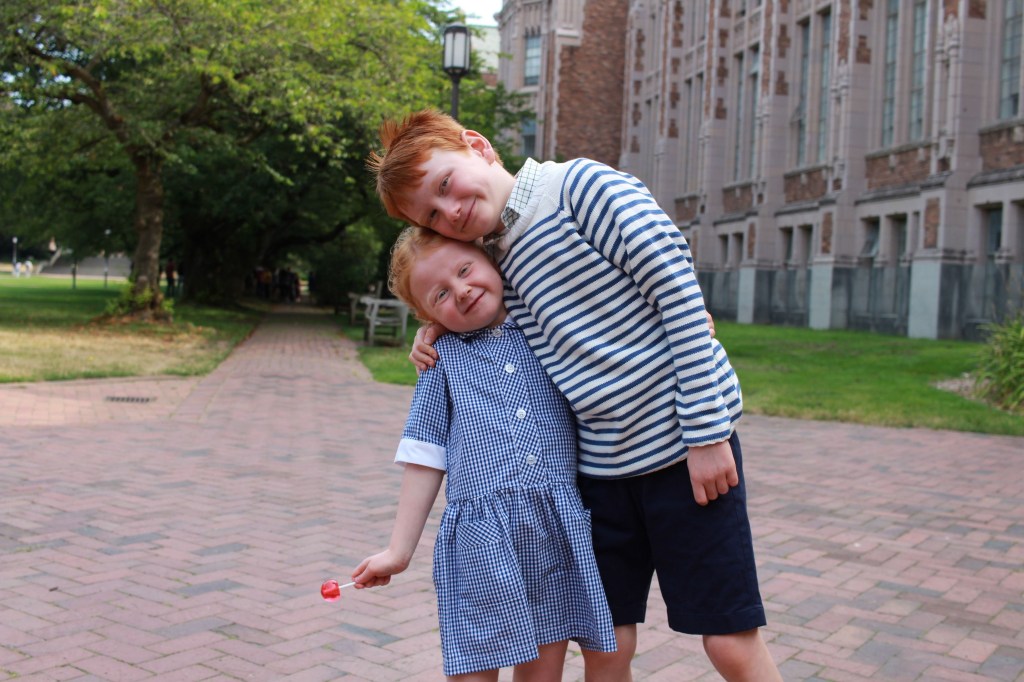
Additionally Lady Kitty likes to then request the ‘Cabbage Story’ also by Thich Nhat Hanh, “Blaming Never Helps.”
Blaming Never Helps
When you plant lettuce, if it does not grow well, you don’t blame the lettuce. You look into the reasons it is not doing well. It may need fertilizer, or more water, or less sun. You never blame the lettuce. Yet if we have problems with our friends or our family, we blame the other person. But if we know how to take care of them, they will grow well, like lettuce. Blaming has no positive effect at all, nor does trying to persuade using reason and arguments. That is my experience. No blame, no reasoning, no argument, just understanding. If you understand, and you show that you understand, you can love, and the situation will change.
One day in Paris, I gave a lecture about not blaming the lettuce. After the talk, I was doing walking meditation by myself, and when I turned the corner of a building, l overheard an eight-year-old girl telling her mother, “Mommy, remember to water me. I am your lettuce.” I was so pleased that she had understood my point completely. Then I heard her mother reply, “Yes, my daughter, and I am your lettuce also. So please don’t forget to water me too.” Mother and daughter practicing together, it was very beautiful.
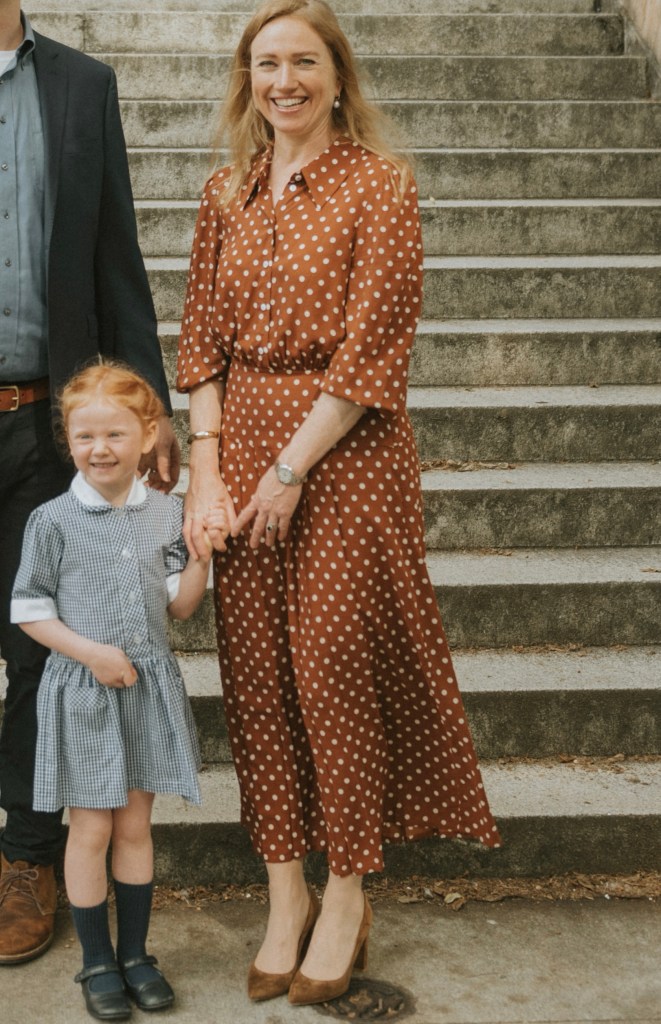
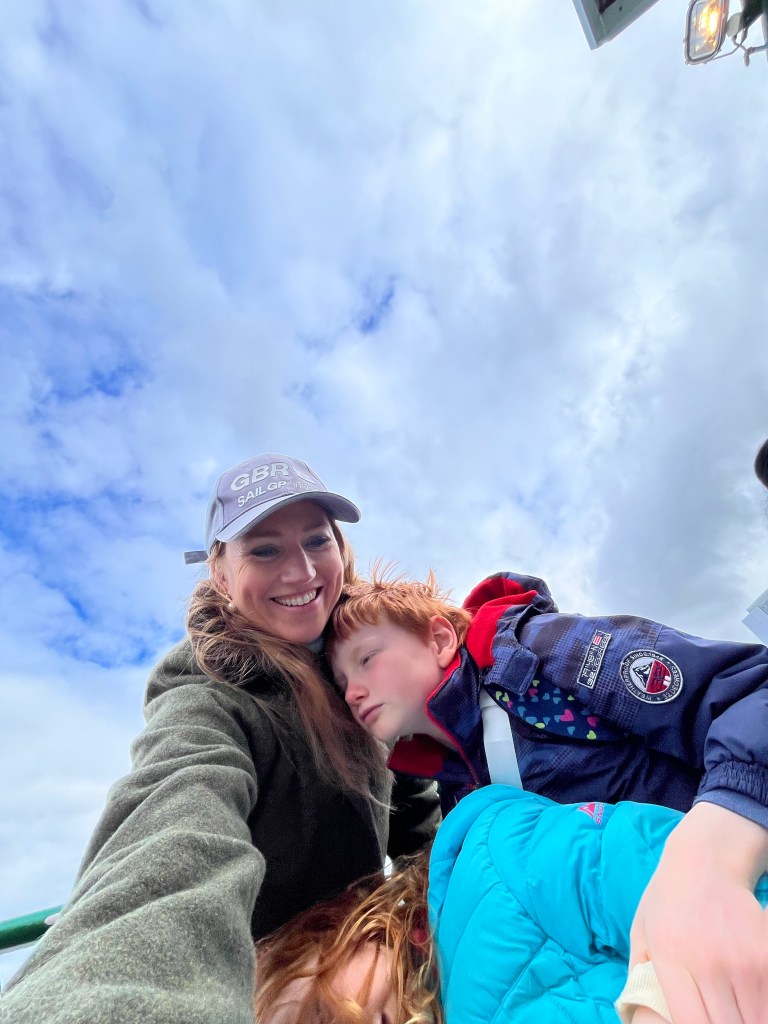
A beautiful shared moment. We are lettuces watering each other. We are boiling our potatoes and eating our tomatoes 🍅 with friends straight out of the garden. We are spending time together. A perfect end to a perfect day. I’m glad I spent those precious moments with you.

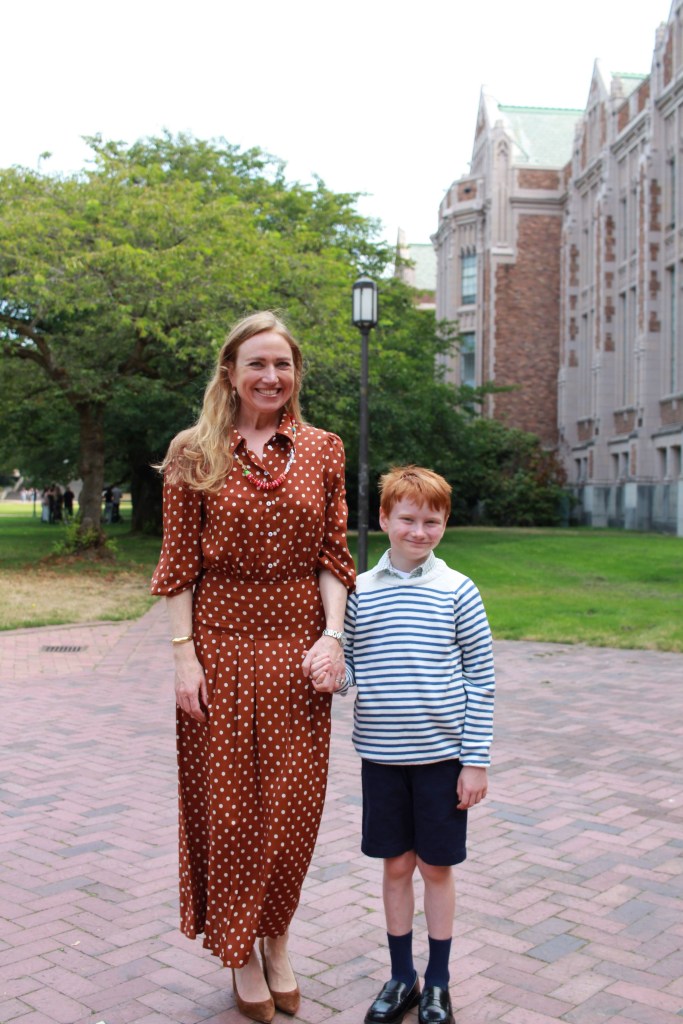
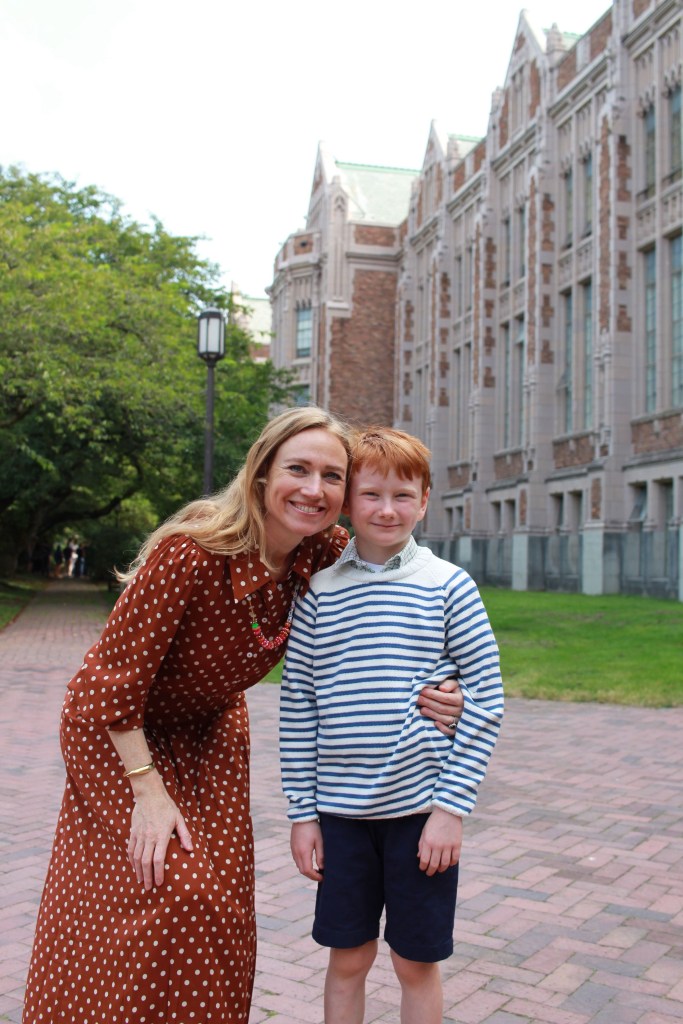













 A Perfect Day . . .